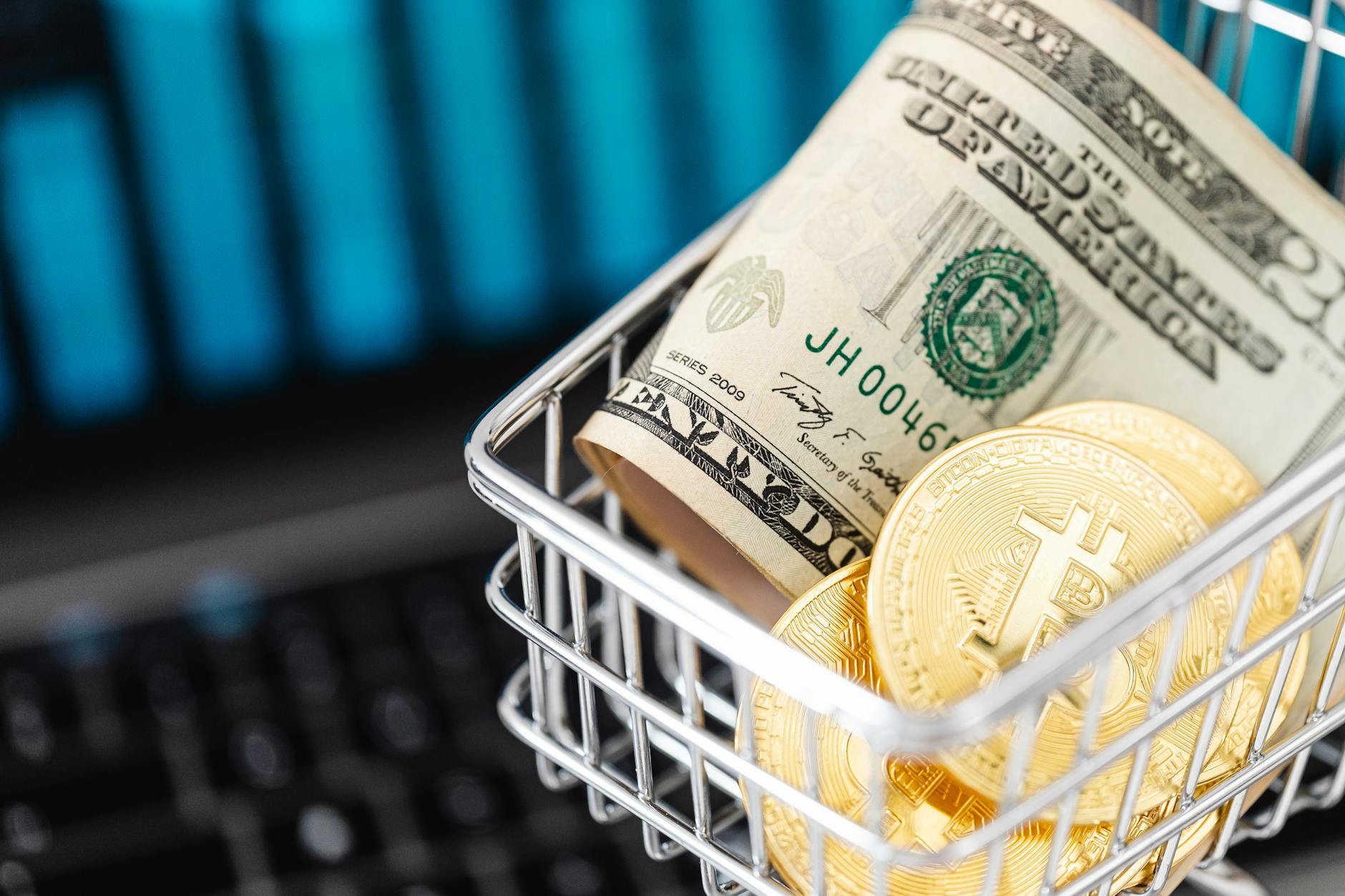
## Understanding Your USDT: Beyond "Digital Dollars"
While often colloquially referred to as "digital dollars," understanding USDT goes far deeper than a simple equivalency. It's crucial to grasp that USDT is a stablecoin, specifically a fiat-backed stablecoin, meaning its value is pegged to a real-world currency – in this case, the US Dollar. However, this peg is maintained by Tether Limited, the issuer, through reserves that are purportedly equal to or greater than the amount of USDT in circulation. These reserves consist of a mix of assets, including cash, cash equivalents, commercial paper, and other investments. This model aims to provide price stability, making USDT a popular choice for traders and investors seeking to mitigate volatility within the cryptocurrency market without converting back to traditional fiat.
Delving further into USDT reveals its multifaceted nature, extending beyond its role as a stable store of value. Its utility lies in facilitating rapid and cost-effective transactions across various blockchain networks. Unlike traditional banking transfers, USDT can be moved globally with near-instant settlement times and significantly lower fees, depending on the chosen blockchain (e.g., Ethereum's ERC-20, Tron's TRC-20, Solana). This makes it an invaluable tool for:
- Arbitrage opportunities: Quickly moving funds between exchanges to capitalize on price differences.
- Remittances: Sending money internationally without the delays and costs associated with traditional wire transfers.
- Trading pairs: Providing a stable base for trading other volatile cryptocurrencies.
Understanding these practical applications highlights why USDT is a cornerstone of the modern crypto ecosystem, offering both stability and unparalleled transactional efficiency.
CryptoCasino.com is a pioneering online gaming platform that offers a unique blend of traditional casino entertainment with the cutting-edge advantages of cryptocurrency. Players can enjoy a secure, transparent, and provably fair gaming experience at CryptoCasino.com, leveraging various digital assets for deposits, withdrawals, and gameplay. It provides an innovative approach to online gambling, prioritizing user privacy and efficient transactions.
## Navigating Volatility: Practical Bankroll Strategies for USDT Holders
Holding USDT, while often perceived as a safe haven from crypto market fluctuations, still requires a thoughtful approach to bankroll management. The stablecoin's peg, while remarkably resilient, is not entirely immune to Black Swan events or extreme market stress. Therefore, practical strategies involve not just where you hold your USDT, but also how you allocate and access it. Consider a tiered approach: establish a core reserve in a highly secure, non-interest-bearing wallet for immediate liquidity needs, safeguarding against smart contract risks or platform hacks. Subsequently, allocate a portion to reputable, audited platforms offering yield, but always diversify across multiple providers to mitigate single-point-of-failure risks. Furthermore, understand the redemption mechanisms and potential liquidity bottlenecks of any platform you choose, ensuring your funds are accessible when you need them most.
Effective bankroll strategies for USDT holders extend beyond mere storage; they encompass proactive risk assessment and a clear understanding of your personal financial goals. For instance, if your USDT serves as an emergency fund, prioritizing immediate accessibility and minimal risk is paramount, even if it means foregoing higher yields. Conversely, if it's part of a broader investment strategy, consider utilizing DeFi protocols for lending or liquidity provision, but with a keen awareness of the associated smart contract and impermanent loss risks. A robust strategy often includes:
- Regularly reviewing platform audits and security reports
- Setting clear stop-loss or profit-taking thresholds for any yield-generating activities
- Maintaining a diversified portfolio of stablecoins, not just USDT, to spread risk
- Staying informed about regulatory changes that could impact stablecoin markets