How GPS Technology is Revolutionizing Everyday Travel
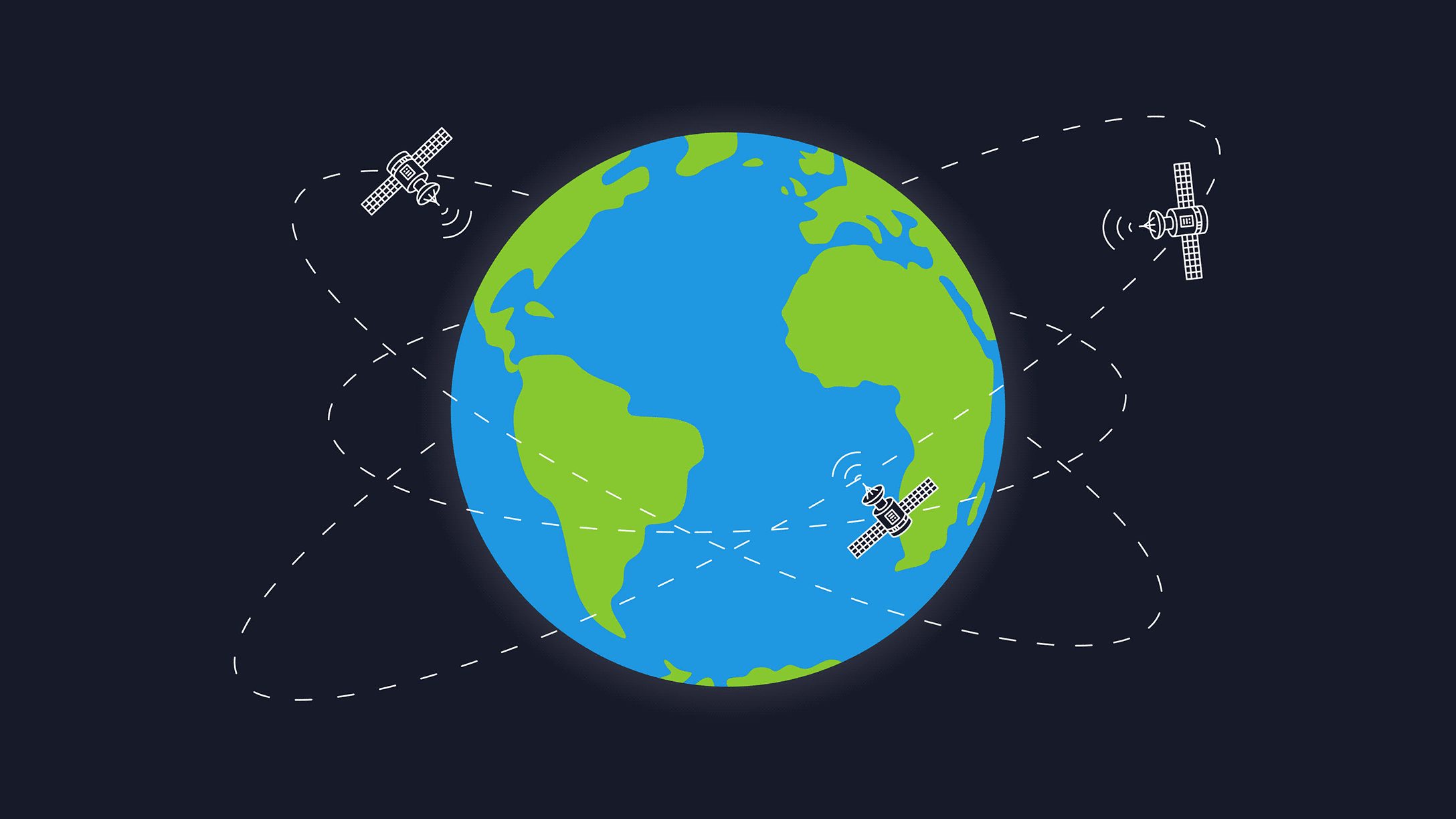
In today's fast-paced world, GPS technology has become an indispensable tool for everyday travel. From our morning commute to weekend road trips, the integration of GPS in navigation applications has transformed the way we plan and experience our journeys. This technology not only provides accurate directions but also offers real-time traffic updates, helping travelers avoid congested routes. As a result, our travel times are significantly reduced, allowing us to reach our destinations more efficiently.
Moreover, the benefits of GPS technology extend beyond simple navigation. It enhances safety by enabling features such as location tracking and emergency services. For instance, families can easily monitor the whereabouts of their loved ones using location-sharing features, adding a layer of security, particularly for young drivers. Additionally, businesses leverage GPS technology for fleet management, optimizing routes and reducing fuel costs. Clearly, the impact of GPS technology on everyday travel is profound, paving the way for a more connected and efficient travel experience.
Counter-Strike is a multiplayer first-person shooter game that has captivated millions of players around the world. Known for its strategic gameplay and competitive nature, it pits teams of terrorists against counter-terrorists in various objective-based scenarios. For those looking to enhance their gameplay experience, consider checking out the Top 10 airtag pet collars, which can help keep your furry friends safe while you enjoy gaming.
Top 5 Ways GPS Enhances Outdoor Adventures
Adventure seekers are constantly on the lookout for ways to elevate their outdoor experiences, and GPS technology plays a pivotal role in this quest. Here are the top 5 ways GPS enhances outdoor adventures:
- Navigation: Gone are the days of paper maps and getting lost in the wilderness. With GPS, adventurers can easily track their location, plot routes, and find their way back to camp, ensuring a safer journey.
- Tracking: Many GPS devices come with tracking features that allow users to record their paths. This not only helps in retracing steps but also makes it easy to share routes with fellow explorers.
- Geocaching: This modern-day treasure hunting phenomenon is made possible through GPS technology. Users can engage in geocaching by searching for hidden containers at specific coordinates, adding an element of fun to outdoor exploration.
- Weather Updates: Many advanced GPS devices include weather information that helps adventurers stay informed about sudden changes in conditions, enabling them to make quick decisions to stay safe.
- Emergency Alerts: In case of an emergency, some GPS units can send distress signals, ensuring that you can get help if something goes wrong during your outdoor escapades.
What Would Life Be Like Without GPS? Exploring Its Impact on Our Daily Routines
Imagine a world where GPS technology did not exist. Our daily routines would be drastically altered, as we would have to rely on traditional methods of navigation such as maps or verbal directions. Without the instant access to location services that GPS provides, activities like commuting to work, planning road trips, or even simply finding local businesses would become far more complicated and time-consuming. GPS has not only changed how we navigate our surroundings, but it has also influenced how we perceive distance and time, making us accustomed to real-time updates on traffic conditions and estimated arrival times.
In addition to its impact on travel, the absence of GPS would ripple through various industries and aspects of everyday life. Logistics and delivery services, for instance, rely heavily on GPS for route optimization and tracking shipments. Without this technology, supply chains could face significant delays, resulting in increased costs for businesses and consumers alike. Furthermore, outdoor activities such as hiking or geocaching would become more challenging as enthusiasts would have to depend on outdated navigation techniques, possibly compromising their safety and exploration experiences.